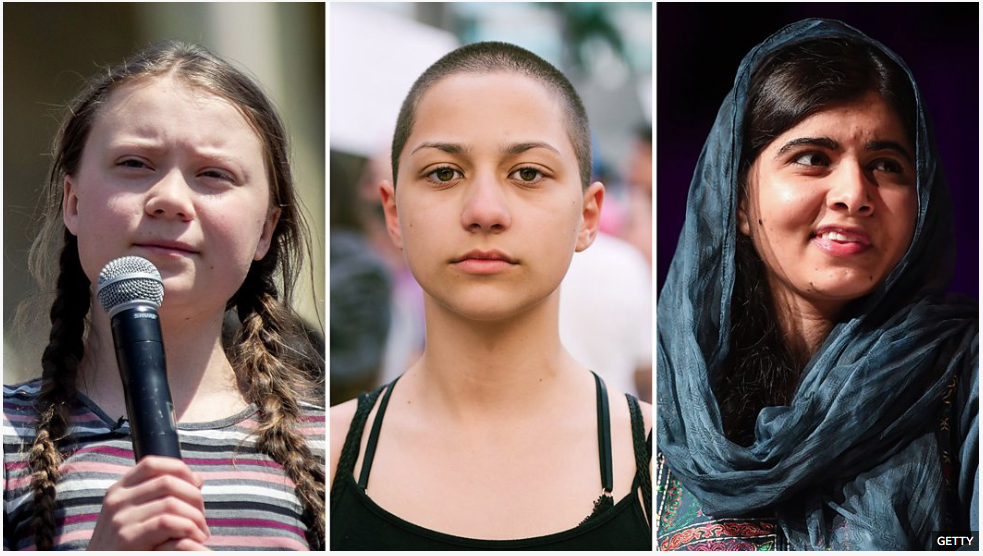
5 Youth who are Changing the World

When you think of empowerment what comes to mind?

I think of Dr. Martin Luther King, Former President Barak Obama and my old boss and mentor Jamie Lee Evans – all leaders, advocates and powerful agents of change in the world that came from marginalized backgrounds.   
For me – empowerment is a process of discovering one’s strengths, finding one’s voice and using it to make positive change in ones life and the life’s of others. 
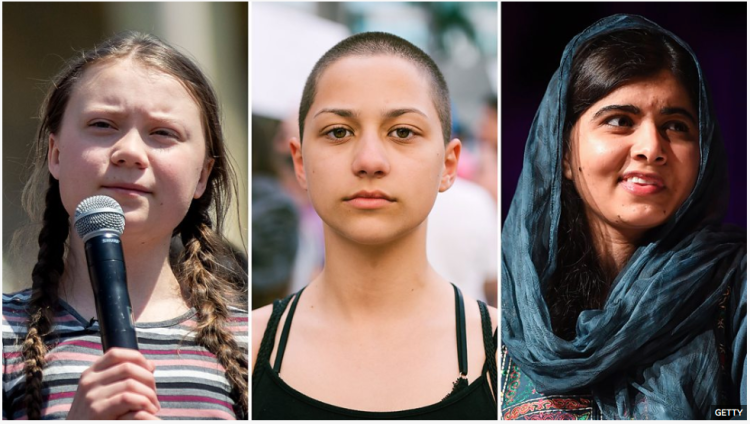
These five young people are doing just that!

Here is what an empowered youth looks like!

Click on the image below to view the article written by Harvey Day in BBC UK.  Photo credited to GETTY.
#bebetterdobetter
Screen Shot 2019-09-25 at 4.25.32 PM.png

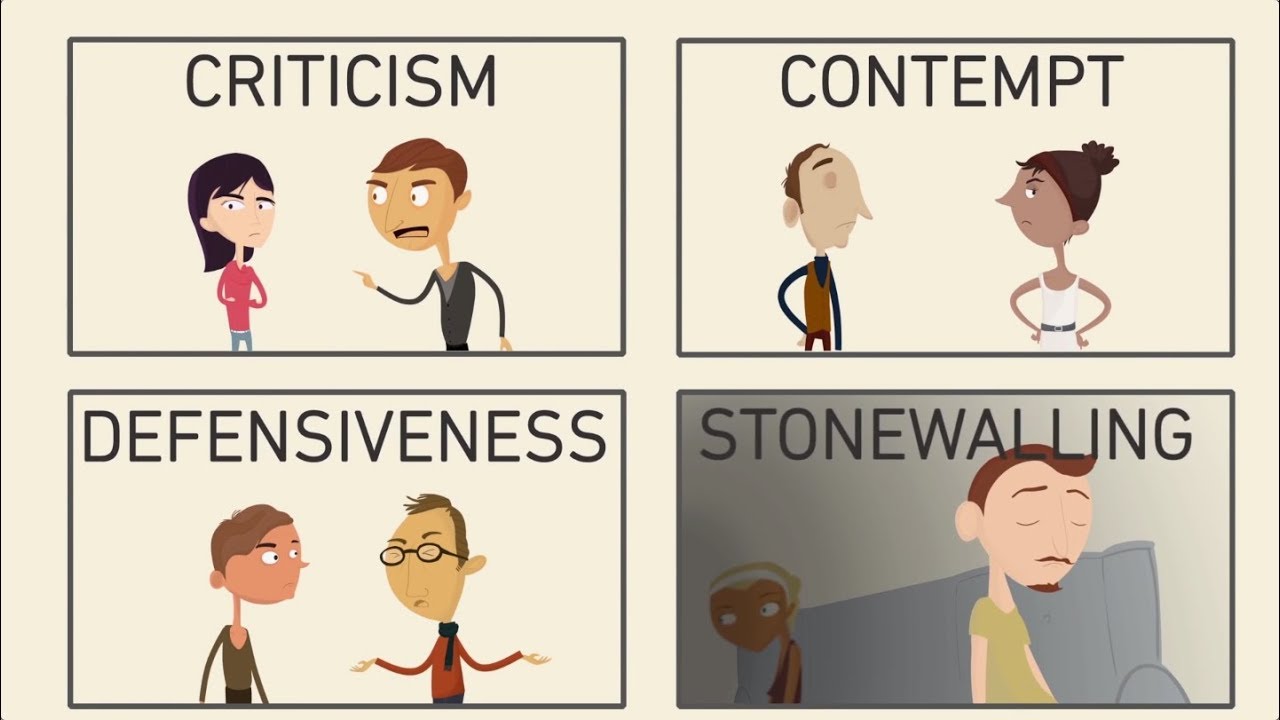
Four Horsemen of the Apocalypse The Gottman Institute

I was exposed to Dr. John Gottman’s research in a Social Psychology course I took last fall.
This video is a great summary of the the negative communication styles that serve as predictors of divorce and ways to change them.
I was discussing how these concepts can be applied to friendships and working relationships with a colleague as we prepared for some healing sessions.
Check out the video below and/or visit the Gottman Relationship Blog to learn more!

Cass Model of Gay/Lesbian Identity Development

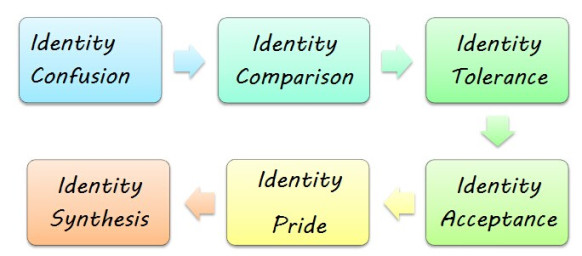
Coming out is as an LGBT person is unique experience for each individual.  The circumstances and barriers to coming out are specific to each person.  However, research by Dr. Vivienne Cass (1979) offers a six stage theoretical model to help describe the process of forming a positive homosexual identity.

It’s important to note that the stages aren’t always experienced in a linear way and circumstances might cause an individual to re-experience a stage they may have moved beyond before.  This model does not take into account socio-cultural factors that impact identity formation.

This handout outlines the stages in a concise way and offers insights into possible responses care providers might observe and possible needs that can be addressed. (Click here to download)

6stages_cass

To learn more about Cass’s model and a student analysis of the model check out the video published by Brad Cox below:

What Does A Professor Look Like?

Administrator's avatarPsychology Benefits Society

THIS IS WHAT A professor LOOKS LIKE3

By Kevin L. Nadal, PhD

As a child of poor immigrants from rural Philippines, I often heard about how my parents grew up without running water and limited electricity. They told my brothers and me stories about the things that they didn’t have while growing up, and how they overcame traumas of war and poverty. These anecdotes made me feel equally grateful and guilty, while also motivating me to strive for success. In fact, it is through these stories that I learned the importance of attaining a college education as a way of fulfilling our parents’ American dreams and somehow compensating for the historical trauma that my family had overcome for centuries.

When I was accepted into the University of California at Irvine, I declared a major of psychology. In retrospect, I did so for two basic reasons: 1) because I enjoyed an introductory psychology class I took in high school…

View original post 1,394 more words

Stop Saying “That’s So Gay!”: 6 Types of Microaggressions That Harm LGBTQ People

Food for Thought!

Administrator's avatarPsychology Benefits Society

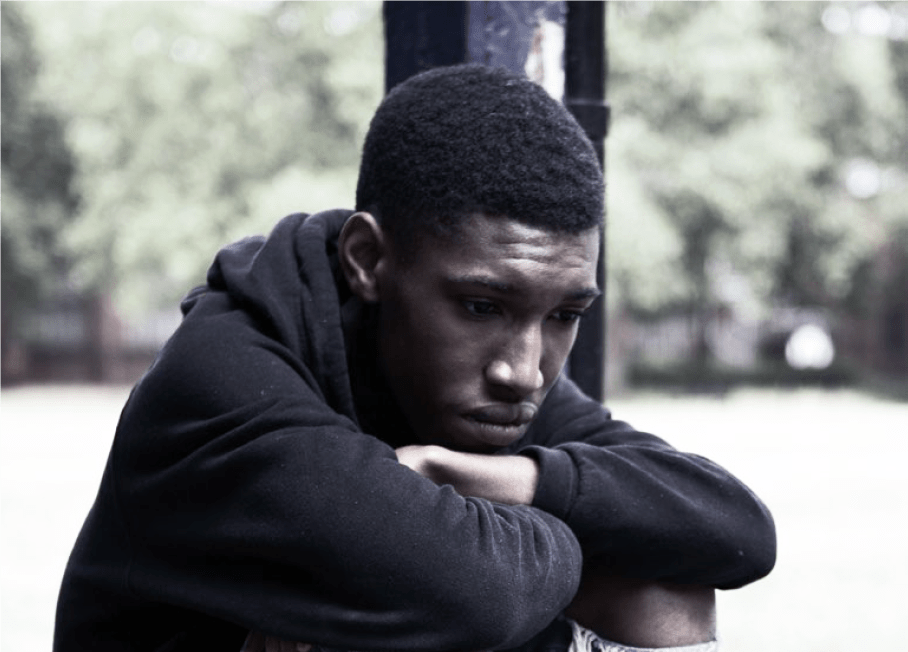
Sad Asian teenage boy

By Kevin L. Nadal, PhD (Associate Professor of Psychology, John Jay
College of Criminal Justice – City University of New York)

When I was a little kid, I used to hear my brothers, cousins, and friends say things like “That’s so gay!” on a pretty regular basis. I would usually laugh along, hoping with all my might that they didn’t know my secret.  My parents and other adults in my life would tell me things like “Boys don’t cry” or “Be a man!” which essentially was their way of telling me that being emotional was forbidden or a sign of weakness.

When I was a teenager, there were a few boys at my high school who ridiculed me, almost everyday. When I walked by them in the halls, they called me a “faggot” or screamed my name in a flamboyant tone.  I learned to walk by without…

View original post 2,156 more words

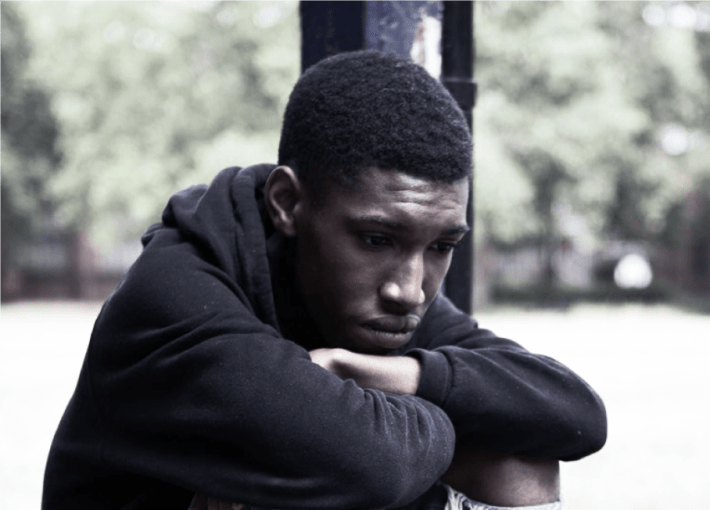
Depression in Black Boys Begins Earlier Than You Think

Administrator's avatarPsychology Benefits Society

blog-aa-boys-depressionBy Aaron Hunt, MS (Graduate Intern, APA Health Disparities Office) and David J. Robles, BA (Graduate Intern, SAMHSA Office of Behavioral Health Equity)

From 2001 to 2015, the suicide risk for Black boys between the ages of 5 and 11 was two to three times higher than that of White boys, according to a new research letter in JAMA Pediatrics (Bridge, 2018). This concerning trend continues through adolescence as reported by the Nationwide Youth Risk Behavior Survey (Kann et al., 2017). The rates of attempted suicide, including attempts that resulted in an injury, poisoning, or overdose, are 1.2x higher among Black males compared to White males.

These persistent trends are enrooted in life expectancy disparities that Black boys face. The APA Working Group on Health Disparities in Boys and Men recently released a new report on Health Disparities in Racial/Ethnic and Sexual Minority Boys and Men, which includes a review…

View original post 1,043 more words

Resource: Guidelines for Managing Info Related to the SOGIE of youth in the CWS

Attached is an amazing resource referenced in my upcoming trainings in Santa Cruz focusing on engaging with foster youth in discussions about Sexual Orientation, Gender Identity and Expression. Check it out!!!

HRC Recognizes Minority Mental Health Month

Check out this post from The Human Rights Campaign discussing the intersectionality of minority mental health and foster care.  They asked for some insight and I was happy to oblige. Special thanks to my friend Susan Manzi, the Executive Director of Youth In Mind for her counsel and insight into the world of youth mental health.  Check it out!

Screenshot 2019-05-02 13.24.28

http://www.hrc.org/blog/the-importance-of-intersectionality-minority-mental-health-and-foster-care